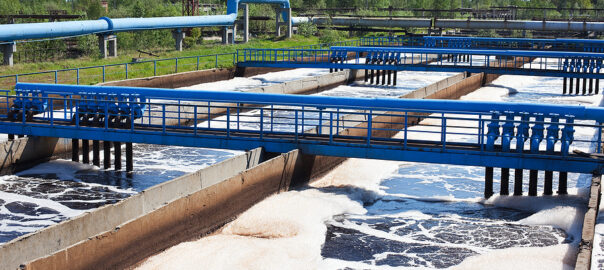
Wastewater treatment plants are highly affected by local rainfall, which can make it difficult for facilities to maintain proper operations. In modern times, heavier and more frequent rain events are becoming more common, making wastewater operations more challenging. Wastewater systems are built for average flows, not extreme flows, which is why they can be so affected. We’re going to explore how excess rainfall can impact wastewater treatment operations and what utilities you can implement in your facility to manage these impacts.
Why Does Rainfall Affect Wastewater Systems?
Although wastewater treatment plants are built to handle water, they are designed for the average flow in their area. Essentially, excess water can strain the system and cause operational issues. For example, one of the biggest considerations is infiltration and inflow, which are essentially two ways water enters wastewater treatment zones, leading to excess water. Infiltration is groundwater that seeps into pipes, and inflow is rainwater entering through areas like maintenance holes, roof drains, or cross-connections. Additionally, aging or damaged infrastructure makes I&I more likely.
Ways Heavy Rainfall Can Disrupt Wastewater Operations
Excess rainfall, especially consistent or extreme rainfall, can heavily impact wastewater treatment operations. Proactive planning starts with understanding how rainfall can affect and disrupt wastewater operations. Although this is a common scenario many plants face during rainy seasons, there’s a lot of knowledge you should know to help limit its negative impacts. Here’s a deeper look at how it can affect these operations and what it means for treatment plants.
Hydraulic Overload
Wastewater plants are designed for average flow, meaning they aren’t built to handle heavier flows. Excess flow can lead to backups, bypasses, and strain on components like pumps, lift stations, and headworks. This overload can lead to more repairs or replacements and a shorter lifespan for your system, since it’s taking on more than it’s built for.
Combined Sewer Overflows
Combined sewers may not be common in newer homes, but they still exist and can be heavily impacted by excess rainfall. Combined sewer systems carry both sewage and stormwater in one pipe, making them more prone to exceeding capacity. If this type of piping system overflows, untreated or partially treated water can enter waterways, causing regulatory and environmental consequences.
Diluted Influence and Treatment Efficiency Issues
Heavy rain can dilute wastewater, lowering pollutant concentrations and affecting microbial populations in sludge systems. Counterintuitively, dilution can still disrupt biological treatment, throwing off the filtering and cleaning aspects of wastewater treatment and potentially affecting community health, regulations, and the environment.
Strain on Equipment and Infrastructure
With increased water flow, strain on equipment and infrastructure increases, especially when facilities are built to handle only a certain amount of flow. Pump stations will operate beyond capacity, power and mechanical failures become more likely, and equipment will wear out faster from sustained high flow. These can all lead to equipment replacements, failures, and frequent maintenance that can negatively affect the treatment operations.
Compliance Violations
Wastewater treatment facilities can face many violations if they can’t meet standards. Overflow and effluent quality issues, reporting obligations, and potential fines are all possible if you’re dealing with overflow in your treatment facility. It’s important to familiarize yourself with the obligations and regulations that may apply or be affected during high-flow events.
How It Impacts the Environment and Community
Heavy rainfall also has many impacts on the environment and community. Things like sewer backups that can lead into homes and businesses can cause chaos and even health risks for the community. Overflow events can also create public health concerns and pose a major risk to residents in your area. Other impacts, like polluted overflow into rivers, lakes, and even coastal waters, can cause environmental damage; odor complaints can also arise from residents in the area. All of these issues cna affect the entire city connected to this wastewater plant. Ultimately, these impacts and risks aren’t worth it, making it crucial to develop a plan that can prepare your plant for the proper response in the event of heavy rainfall.
How You Can Prepare and Respond
As a wastewater treatment facility manager, you can prepare for high-volume, high-flow situations from heavy rainfall in many ways. We’ve put together a guide you can use to prepare for these situations and respond if you’re experiencing heavy rainfall and its repercussions.
Response Strategies to Use:
- Early warning systems and flow monitoring in real time
- Emergency storage and equalization basins to accommodate
- Set up and know all overflow and bypass response plans so that you and your entire team are prepared
Infrastructure Solutions to Implement:
- Green infrastructure like rain gardens or bioswales
- Sewer separation goals for combined systems
- Sewer rehabilitation to reduce infiltration and inflow
- Plant upgrades to increase capacity
Preparing Your Plant for Heavy Rainfall
If you’re a wastewater treatment plant manager, you’ve likely dealt with heavy rainfall and needed to accommodate it. That said, there’s always room to improve your testing process, especially as the climate brings heavier and more frequent rainfall. Modern wastewater plants aren’t built to keep up, so keeping your staff prepared and trained, as well as having processes in place to manage it, is essential. Use our guide to prepare and put response plans in place for heavy rainfall. Understanding how this rainfall may affect you can help you put in place a more detailed plan to deal with it. Proactive planning is key to ensuring heavy rainfall doesn’t negatively impact your operations. Contact us today to learn more.